
Updated: Thursday, November 5, 2026 · Next update: Thursday, November 12, 2026
This Fort Myers/Sanibel fishing report is a seasonal outlook for early November across Pine Island Sound, Matlacha Pass, and the Caloosahatchee. Falling water temperatures, passing fronts, and the new moon on Monday, November 9 typically shift fish between flats, passes, and nearshore structure. Treat it as a planning guide and confirm conditions with a local bait shop or marina before launching.
What’s Hitting
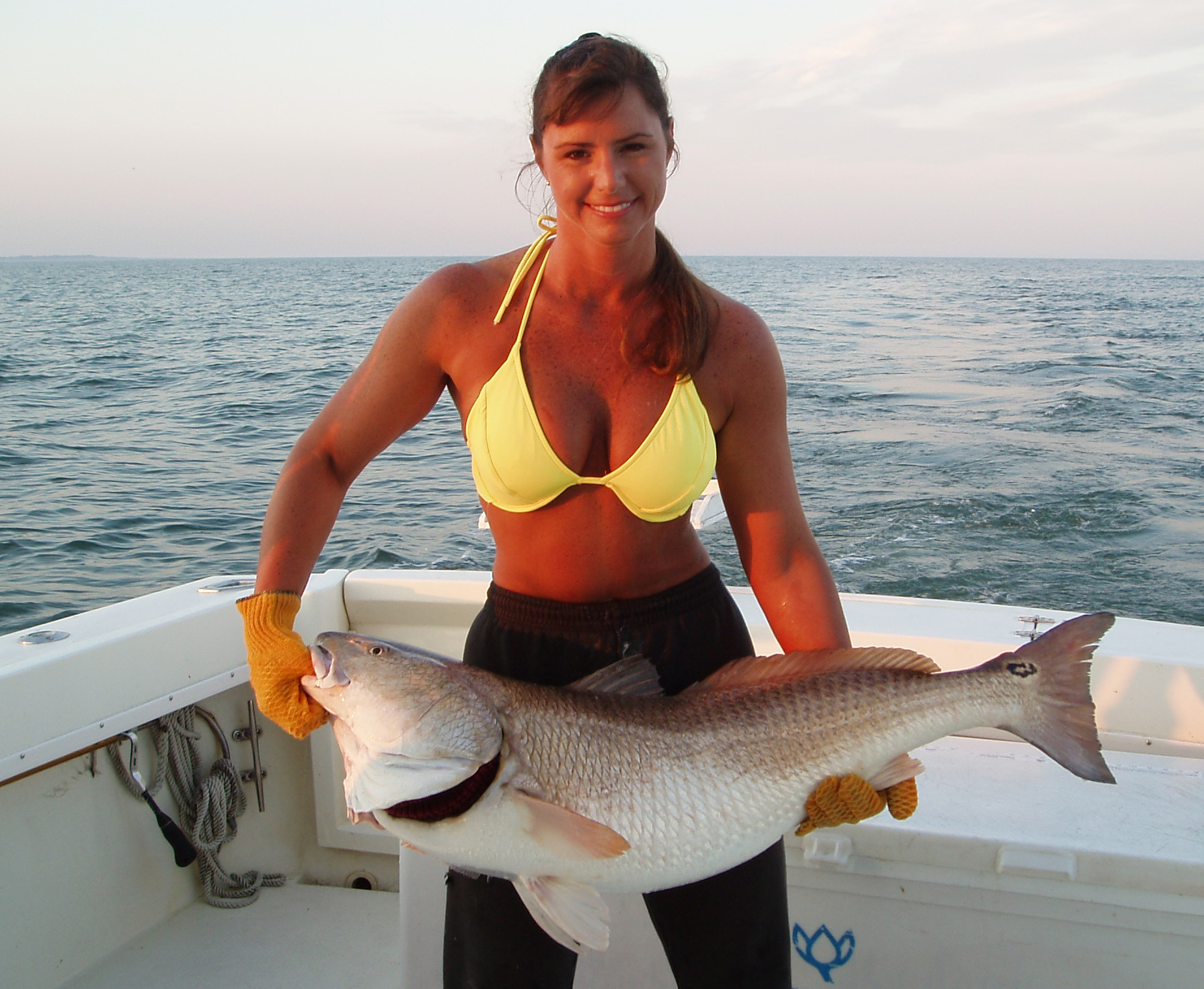
Early November in Southwest Florida often mixes the tail of the warm season with the first cool-season pattern. Mangrove snapper can be found around docks, bridges, and nearshore reefs, and tripletail commonly lurk beside crab-trap buoys and channel markers. Cobia sometimes pass through on their fall movements, although this is a possibility rather than a promise. Redfish and snook should continue to work the oyster bars and mangrove edges, with snook beginning to move toward warmer backwater areas and canals. Trout often gather on the deeper grass flats. A cold front’s arrival can quiet the flats for a day and then switch fish on.
Where to Find Them
Pine Island Sound, around Captiva Pass and Boca Grande Pass to the north, holds structure and bait for snapper and the occasional cobia. The Sanibel Causeway islands and Bunche Beach area offer flats and shoreline structure, and Matlacha Pass provides protected mangrove fishing when the wind is up. In the Caloosahatchee River, the Edison Bridge and the downtown Fort Myers docks hold snook and snapper around lights. Nearshore reefs off Sanibel can deliver mangrove snapper when seas allow. Estero Bay and the Gulf-side beaches near Lovers Key also provide alternative areas when the sound is crowded or windy.
Tides & Conditions
Tides in Southwest Florida are mixed, with fairly modest range inside the sounds but strong currents through the passes. The new moon on Monday, November 9 should boost flow at Captiva Pass and Boca Grande Pass. Early-morning outgoing tides typically work well on the flats and creek mouths. A strong northerly wind after a front can blow water out of the shallows, so moving to deeper channels may help. Daylight saving’s end lets dawn arrive earlier on the clock. Allow extra time for shallow passages.
Tackle & Tactics
Medium spinning rods with ten-to-fifteen-pound braid and a fluorocarbon leader handle most inshore fishing. For snapper, use small circle hooks, live shrimp or pinfish, and light weights around pilings. Tripletail respond to a small live shrimp or a pinfish drifted near floating structure. Soft plastic jerkbaits, paddle tails, and topwater plugs suit redfish and snook. For cobia, keep a heavier outfit ready with a bucktail jig or a live eel. A push pole, polarized glasses, and a quality net help on shallow flats. Spare leader material and a good net are worth packing for the shallow oyster bars.
Local Intel This Week
Public access around Fort Myers and Sanibel is strong. The Sanibel Causeway fishing areas and Lighthouse Beach Park at the island’s eastern tip are well-known shore options, while Bowman’s Beach on Sanibel and the Matlacha Fishing Pier connect anglers to inshore water. Alva’s Caloosahatchee waterway offers a boat ramp for river access. Keep an eye on the weather, since fronts can arrive with strong gusts. Check current state and federal regulations and seasons before keeping fish. Lovers Key State Park and Cayo Costa State Park are additional options for boat or kayak anglers who want a quieter day. Sanibel’s popular launches can get busy, so arrive early. Watch for shallow bars and oyster beds when running skiffs.
This Week’s Tip
Idle slowly along the channel markers in Pine Island Sound and scan the floating crab-trap buoys for tripletail, then pitch a live shrimp a few feet ahead without spooking the fish. Keep a small cast net aboard to collect live pilchards or pinfish at first light, since fresh bait often outperforms anything bought later in the day.
Planning a trip to Fort Myers/Sanibel?
This report tells you what happened. ReelAI tells you what to do about it — a briefing for your date, your target species and how you're fishing, built from our reports plus live NOAA and USGS data.
Powered by ReelAI — fishing.digital's intelligence layer. Answers are generated from fishing.digital reports and public NOAA, NWS and USGS data, and may be incomplete or out of date. Regulations and marine safety information are summaries only; always confirm with the responsible authority before you fish.