
Updated: Thursday, July 2, 2026 · Next update: Thursday, July 9, 2026
This Ocean City MD fishing report for early July finds the resort town in its summer groove. Flounder are the bread-and-butter target, filling the back-bay channels and the inlet. Offshore, the wrecks and reefs give up black sea bass, bluefish and a few striped bass work the inlet, and canyon boats making the run find tuna and the first good runs of dolphin. The main condition to plan around is tide: a moving tide in either direction drifts baits across the flounder, while slack water shuts things down.
What’s Hitting
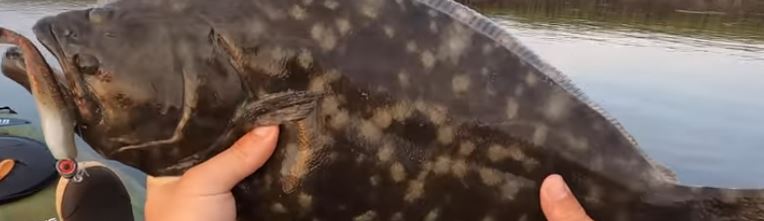
Flounder hold in the back-bay channels and around the inlet on the moving tide. Black sea bass stack on the offshore wrecks and reefs. Bluefish and a few striped bass work the inlet, and offshore the canyon boats find tuna and dolphin.
Where to Find Them
Drift the back-bay channels and the inlet edges for flounder. Channel edges are natural ambush lines, where flatfish lie on the bottom and wait for current to carry bait past.
Sea bass sit on the wrecks and reef sites in 60–120 feet. The inlet and the Route 50 bridge give up blues and stripers, and the canyons are the offshore play for tuna and mahi.
Tides & Conditions
Inshore water warms into the low-to-mid 70s. Plan around the incoming or the outgoing, not slack. Calm mornings give the best window for the offshore wreck and canyon runs before the afternoon sea builds.
Bay anchovies, spearing and small mullet build through the back bays and around the inlet, and the flounder set up along the channel edges to ambush that bait as the tide moves it past. On the wrecks, sea bass feed on crabs and small baitfish, so tipping your rig with squid and clam keeps them feeding steadily.
Tackle & Tactics
- Flounder: drift a Gulp swimming mullet on a bucktail or a minnow-and-squid strip on a flounder rig.
- Sea bass: squid and clam on a hi-lo rig over the wrecks. The two-hook rig keeps both baits just off the bottom, where structure fish feed.
- Bluefish: metal and cut bait in the inlet.
- Canyons: troll ballyhoo spreads for tuna and dolphin.
Local Intel This Week
The West Ocean City ramp on Harbor Road and the Gum Point Road ramp serve the back bays and the inlet, with Homer Gudelsky Park covering the north end. Launch at Harbor Road for the shortest run to the inlet and the offshore wrecks, and use Gum Point Road or Homer Gudelsky Park for back-bay flounder drifts. Flounder concentrate in the back-bay channels and the inlet, sea bass on the offshore wrecks. Check current state and federal regulations and seasons before keeping fish.
This Week’s Tip
For inlet and channel flounder, keep your drift slow and your bait right on the bottom. Add a bucktail or a heavier jighead if the tide moves your bait too fast. Flounder ambush from the bottom, and a rig that ticks along the sand catches far more than one that swings up in the current.
Planning a trip to Ocean City MD?
This report tells you what happened. ReelAI tells you what to do about it — a briefing for your date, your target species and how you're fishing, built from our reports plus live NOAA and USGS data.
Powered by ReelAI — fishing.digital's intelligence layer. Answers are generated from fishing.digital reports and public NOAA, NWS and USGS data, and may be incomplete or out of date. Regulations and marine safety information are summaries only; always confirm with the responsible authority before you fish.