
The lagoon is at its hottest and shallowest point of the year, and that shapes everything. Water on the flats is running in the upper 80s by mid-morning, which means the productive window is the ninety minutes either side of sunrise and again at last light. Anglers who accept that and plan around it are catching fish; anglers fishing bankers hours are not.
What’s Hitting
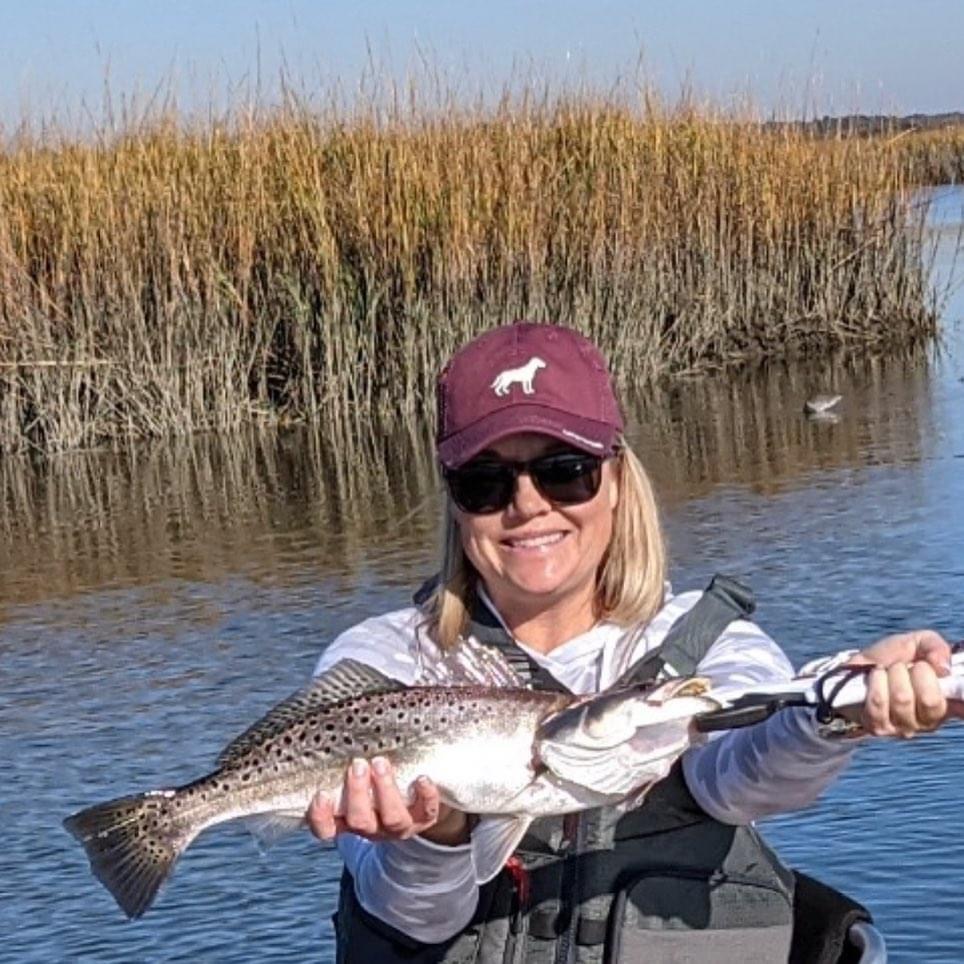
Speckled trout are the most consistent target — fish are on the deeper grass and along the potholes at first light, then sliding to the edges as the sun climbs.
Slot redfish are working the mangrove shorelines, spoil island edges and shallow potholes on the higher stages of the tide. Black drum are around the bridge pilings, dock structure and channel edges, and they will eat all day when the trout have shut off. Snook are in the residential canals and around the causeway bridges. Juvenile tarpon are showing in the deeper canals and creek mouths, and there are ladyfish and jacks everywhere to keep things lively.
Where to Find Them
The grass flats and potholes from the Eau Gallie causeway south through Melbourne and Sebastian are the core trout water — three to six feet with clean grass and sandy holes.
Redfish are on the spoil island shorelines and the west-side mangrove edges. The causeway bridges at Eau Gallie, Melbourne, Wabasso and Sebastian hold black drum, sheepshead and snook around the pilings. The Sebastian Inlet at the south end is worth a run for snook, tarpon and reds on the moving tide — it is the one place in the system with genuinely strong current.
Tides & Conditions
Water temps in the shallows are in the upper 80s and the lagoon has very little tidal flush away from the inlets, so wind is the dominant water-mover here. A steady breeze that stacks water against a shoreline will concentrate bait and fish far more reliably than any tide stage.
Afternoon storms have been daily and can drop the surface temperature enough to restart the bite for an hour afterward. Water clarity varies widely by zone — look for clean water over healthy grass and do not waste time in the murky stretches.
Tackle & Tactics
For trout, a 7-foot medium-light spinning outfit with 10- to 15-pound braid and a 20- to 25-pound fluorocarbon leader. A quarter-ounce jighead with a soft plastic shad worked slowly through the potholes is the standard, and a popping cork with a shrimp imitation under it covers water fast when you are searching.
Redfish on the shallow flats want a weedless soft plastic or a gold spoon presented well ahead of the fish. Black drum eat a fresh dead shrimp on a small circle hook fished right on the bottom next to a piling — this is a patience game, not a covering-water game. For snook in the canals, a paddletail worked along seawalls and under docks at dawn.
Local Intel This Week
Ramps and access: the Ballard Park ramp in Melbourne, the Wabasso Causeway ramp, the Sebastian Inlet ramps and the Kelly Park East ramp in Merritt Island. The Sebastian Inlet State Park jetties and catwalks give shore anglers access to the best current in the system.
Fish are concentrating on the deeper grass edges and around hard structure through the heat, and pushing onto the flats at first light. Seagrass in parts of the lagoon remains in recovery, so avoid running or dragging a motor through shallow grass beds. Redfish, trout and snook all carry state season and slot rules — check current FWC regulations before keeping fish.
This Week’s Tip
Fish the potholes, not the grass. In late-summer heat the sand holes scattered through the flats hold cooler, slightly deeper water, and trout and reds will stack in them by mid-morning. Work the down-wind edge of each hole with a slow retrieve, and pick apart three good potholes rather than covering three hundred yards of uniform grass.
Planning a trip to Indian River Lagoon?
This report tells you what happened. ReelAI tells you what to do about it — a briefing for your date, your target species and how you're fishing, built from our reports plus live NOAA and USGS data.
Powered by ReelAI — fishing.digital's intelligence layer. Answers are generated from fishing.digital reports and public NOAA, NWS and USGS data, and may be incomplete or out of date. Regulations and marine safety information are summaries only; always confirm with the responsible authority before you fish.