
Updated: Thursday, November 5, 2026 · Next update: Thursday, November 12, 2026
This Indian River Lagoon fishing report is a seasonal outlook for early November on a long, shallow estuary stretching from Titusville toward Jupiter. The tail of the fall mullet run, cooling water, daylight saving’s end, and the new moon on Monday, November 9 should all influence where fish gather. Treat it as a planning guide and confirm conditions with a local bait shop before launching.
What’s Hitting
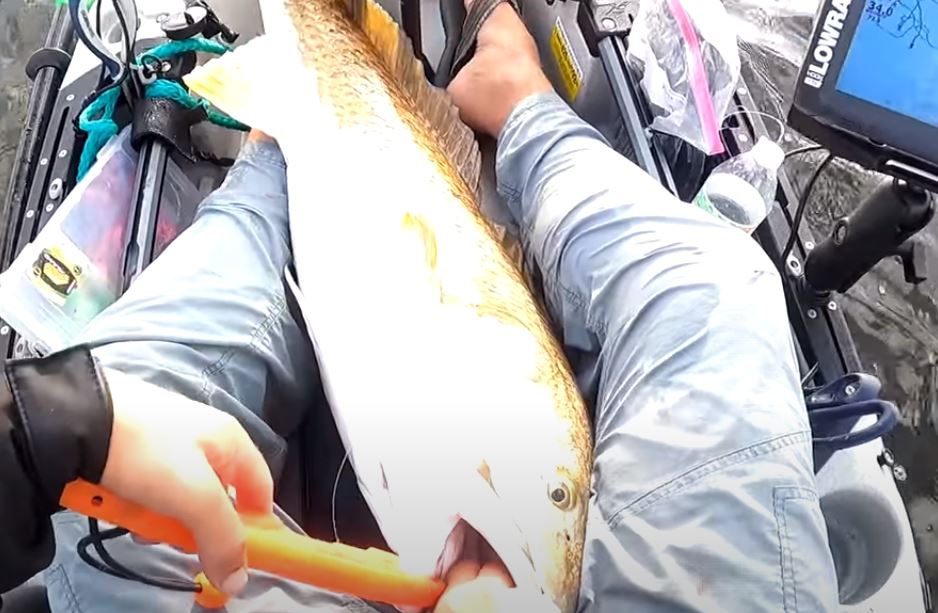
By early November, the Indian River Lagoon commonly sees the last major push of the mullet run, drawing predators toward the inlets and beaches. Flounder may stack near inlet channels and the mouths of drains as they funnel toward the sea. Ladyfish and jacks tend to attack mullet schools near the Sebastian and Fort Pierce inlets, and redfish and trout cruise the flats and edges of the spoil islands. Black drum often gather around deeper holes and bridge pilings as water cools, and sheepshead start to appear on structure. Wind direction after fronts often shapes water clarity, which matters on the lagoon’s sandy shallows.
Where to Find Them
Sebastian Inlet and Fort Pierce Inlet are well-known departure points for mullet-run fishing and flounder, while the causeway bridges near Vero Beach and Melbourne hold structure for black drum and sheepshead. In the north lagoon, Mosquito Lagoon and the Banana River near Cocoa Beach offer redfish and trout over shallow grass. Spoil islands around Jensen Beach and the Sebastian River mouth give protected options in a breeze. The lagoon’s size means picking a shoreline that is out of the wind often matters most. The Banana River Lagoon’s no-motor and slow-speed zones can also provide protected, productive water on breezy mornings.
Tides & Conditions
Tidal movement inside the Indian River Lagoon is weak except near the inlets, so wind often drives water flow and clarity. The new moon on Monday, November 9 should strengthen exchange at Sebastian and Fort Pierce Inlets, improving the outgoing tide for flounder and predators waiting at the mouths. Away from the inlets, a steady northeast breeze can push water and bait along shorelines. Daylight saving’s end moves sunrise earlier on the clock, and the first light can be productive.
Tackle & Tactics
For the inlets, a medium spinning rod with fifteen-pound braid and a fluorocarbon leader fits flounder and ladyfish. Quarter-ounce jig heads with paddle tails or Gulp-style baits bounce across the bottom for flounder, while casting spoons and small plugs entice ladyfish and jacks. For trout and reds on the flats, topwater plugs at dawn and weedless soft plastics are standard choices. Black drum and sheepshead take cut crab, fiddlers, or shrimp near structure. A shallow-draft boat or kayak and a pair of polarized glasses make a big difference. Spare leaders and a few extra jig heads save the day when oyster bars take their toll.
Local Intel This Week
Access is generous along the lagoon. Sebastian Inlet State Park offers jetties and a fishing catwalk, while Fort Pierce Inlet State Park provides beaches and rocks near the jetty. Round Island Riverfront Park and the Jensen Beach Causeway Park give shoreline anglers lagoon access and launch ramps. Parking can be limited on weekends. Watch for oyster bars and shifting sandbars in shallow areas. Check current state and federal regulations and seasons before keeping fish. Honest awareness of lagoon manatee zones and seasonal speed restrictions is wise, especially near the inlets and causeways. Vero Beach’s Humiston Park area also gives anglers an additional beachfront access point on the Atlantic side. Weekday dawns are usually quiet.
This Week’s Tip
Fish the outgoing tide at Sebastian Inlet’s north jetty catwalk with a quarter-ounce jig head and paddle tail, hopping it slowly along the bottom near the channel edge to locate flounder. Check wind direction before choosing between the lagoon and the inlet, and mark the nearest backup ramp on your phone in case conditions change.
Planning a trip to Indian River Lagoon?
This report tells you what happened. ReelAI tells you what to do about it — a briefing for your date, your target species and how you're fishing, built from our reports plus live NOAA and USGS data.
Powered by ReelAI — fishing.digital's intelligence layer. Answers are generated from fishing.digital reports and public NOAA, NWS and USGS data, and may be incomplete or out of date. Regulations and marine safety information are summaries only; always confirm with the responsible authority before you fish.