
Updated: Thursday, July 2, 2026 · Next update: Thursday, July 9, 2026
This Cape Cod fishing report for early July lands at the height of the summer striper season. Striped bass are the main event, feeding hard in the Cape Cod Canal on the breaking tides and holding along the beaches and rips. Bluefish crash the bait along the beaches, the flats give up sight-fishing on the morning tides, and fluke and black sea bass fill in on the sand and nearshore structure. The main condition to plan around is the Canal tide: timing the turn at first and last light is everything.
What’s Hitting
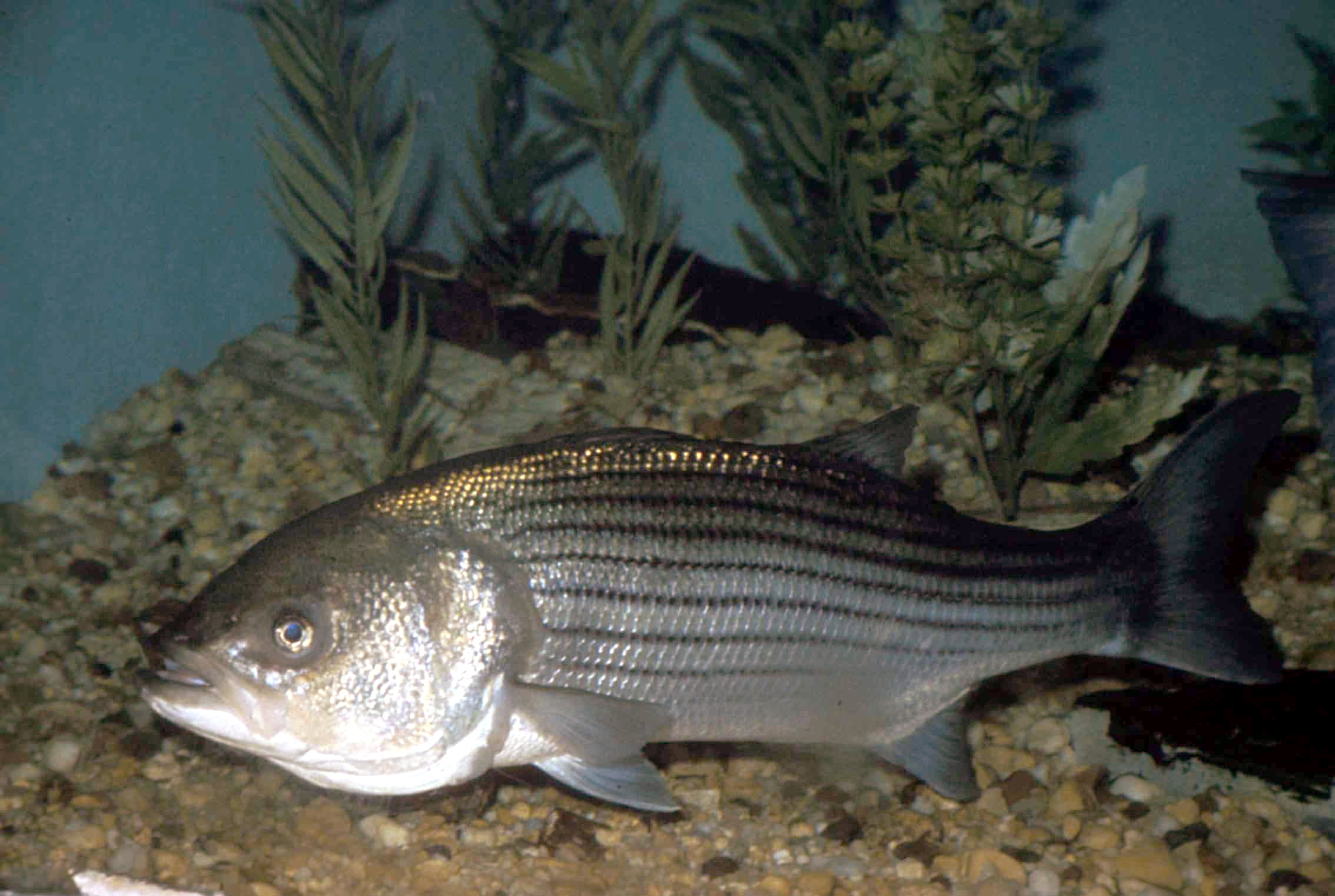
Striped bass feed hard in the Cape Cod Canal on the breaking tides and hold along the beaches and rips. Bluefish move in and crash bait schools inshore. Fluke sit on the sand off the beaches, and black sea bass stack on the nearshore structure.
Where to Find Them
Fish the Canal on the breaking tide for stripers, and work the Monomoy and Brewster flats at dawn for sight-fishing. Bluefish blitz the bait along the bayside and outer beaches.
Fluke hold on the sand in 20–40 feet, and sea bass on the rockpiles and wrecks. Rockpiles hold crabs and small baitfish, which keeps structure fish tight to them.
Tides & Conditions
Water warms through the 60s. The Canal fishes best on the breaking tide at first light and last light. The flats sight-fishing wants a calm, sunny morning tide, and bluefish blitzes can pop up any time bait gets pushed to the surface.
Mackerel, sand eels and pogies are the key forage moving through the Canal and along the beaches, and matching the size and profile of whatever bait the fish are on is often the difference on the breaking tide. When the mackerel push through the Canal, the biggest stripers follow them right in on the current.
Tackle & Tactics
- Canal stripers: a jig-and-pork or a big topwater on the breaking tide.
- Flats stripers: a fly or a soft plastic presented ahead of a cruising fish, landing far enough in front that the fish finds it rather than spooks from it.
- Bluefish: metal and topwater.
- Fluke: a bucktail tipped with Gulp bounced along the sand.
Local Intel This Week
The Sandwich boat basin and Scusset Beach serve the east end of the Canal, with Sesuit Harbor in Dennis and Barnstable Harbor covering the bayside flats. Use Scusset Beach and the Sandwich boat basin to get on the Canal before the tide breaks, and launch from Sesuit Harbor or Barnstable Harbor for the bayside flats and beach blitzes. Stripers concentrate in the Canal on the moving tide and along the beach rips. Check current state and federal regulations and seasons before keeping fish.
This Week’s Tip
In the Canal, the window on the breaking tide can be short and violent, so be rigged and in position before the current turns. When the tide breaks and the bait gets pinned, the fish feed for a defined stretch, and anglers already set up in the right spot catch while latecomers are still tying on.
Planning a trip to Cape Cod?
This report tells you what happened. ReelAI tells you what to do about it — a briefing for your date, your target species and how you're fishing, built from our reports plus live NOAA and USGS data.
Powered by ReelAI — fishing.digital's intelligence layer. Answers are generated from fishing.digital reports and public NOAA, NWS and USGS data, and may be incomplete or out of date. Regulations and marine safety information are summaries only; always confirm with the responsible authority before you fish.